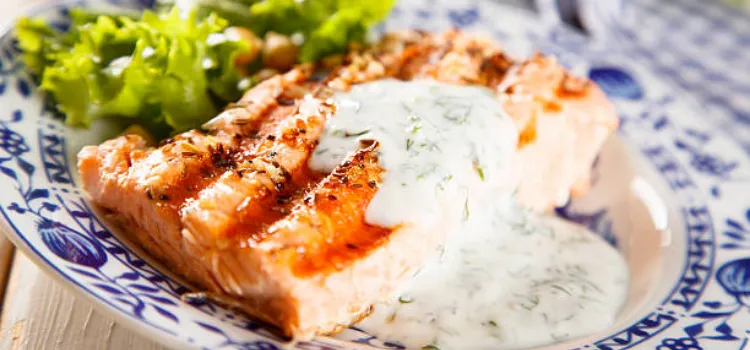

Have you ever hesitated to enjoy a yogurt-based side dish with fish or avoided milk after a seafood meal for fear of poisoning? Many have heard the urban legend that consuming fish with yogurt or milk can lead to harmful effects. But is there any truth to the belief that combining these two foods could be toxic?
As a part of its urban legends series, Teyit explores the answer to this question.
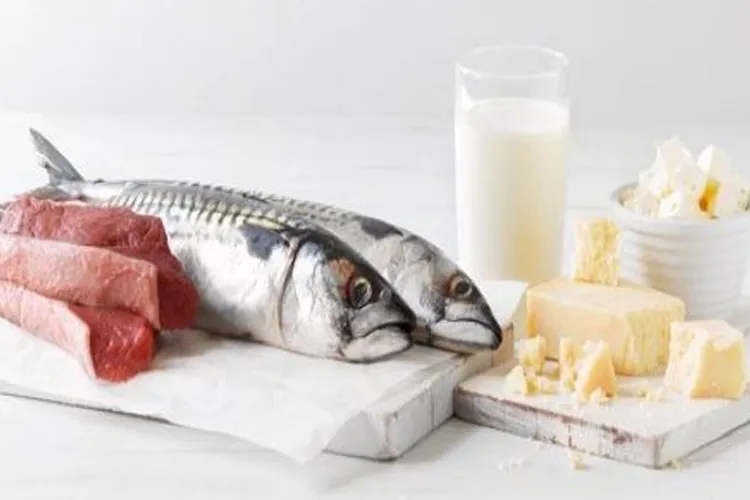
The journey of the fish and yogurt myth

There are various stories about how the myth of fish and dairy being poisonous when consumed together originated. Some suggest that poor food storage in the past, before technologies like home refrigeration and pasteurization became common, may have contributed to this belief. According to dietitian Burcu Dikmen Tezcan, food poisoning linked to inadequate storage conditions before the 1930s could have reinforced this myth.
Another theory points to Ayurvedic diet, which advise against combining non-vegetarian fish with vegetarian milk, as they belong to opposing dietary groups. Additionally, in Ayurvedic belief, the contrasting temperatures of hot fish and cold milk may cause bodily imbalance.
Furthermore, in Judaism, it is prohibited to cook or eat dairy and meat products together in the same meal, which may have contributed to the spread of this myth.
Is it safe to eat fish with yogurt?

Teyit consulted Prof. Dr. Ayla Soyer, Head of the Food Engineering Department at Ankara University, about this topic. According to Dr. Soyer, consuming fresh fish alongside fermented dairy products, such as yogurt, poses no health risk.
The myth of toxicity may stem from the presence of histamine proteins. Histamine, a compound found in both fish and fermented dairy products like yogurt and cheese, can lead to adverse reactions in individuals with histamine intolerance. According to Dr. Soyer, individuals with histamine intolerance may experience histamine poisoning when consuming high-histamine foods, such as fish and fermented dairy, together.
Oily, rich, dark-fleshed fish (such as anchovies, sardines, mackerel, and tuna) are particularly high in the amino acid histidine. When these fish are stored improperly, histidine can convert to histamine. Similarly, fermented foods stored in unsuitable conditions can experience a rise in histamine levels.
High-histamine foods can cause digestive issues on their own, as some people are sensitive to histamine — a condition known as histamine intolerance. This can lead to allergic reactions like itching, rash, and redness. Thus, the concern is not with consuming fish and dairy together, but rather with high-histamine foods affecting those with histamine intolerance.

Dr. Ecem Evrim Çelik, a faculty member in Hacettepe University’s Department of Food Engineering, explains that individuals with lactose intolerance, a fish allergy, or who consume undercooked fish may experience digestive issues. These problems can occur regardless of whether these foods are eaten together or separately.
Experts state that one of the main causes of food poisoning is consuming foods that are not fresh. When foods are stored improperly or eaten after spoiling, poisoning can occur. However, this has no connection to eating fish and dairy together.
According to the Association of Packaged Dairy Industry of Türkiye, there is no harm in consuming fish and dairy products simultaneously, as long as both are fresh.
Ultimately, whether to eat fish and dairy together depends on individual dietary choices or religious practices. In the meantime, as long as there’s no histamine intolerance and the foods are fresh, consuming fish and fermented dairy together poses no poisoning risk.